Skip to content

Teams don’t struggle from difference. They struggle from not knowing how to work with it.

We help teams build shared habits for working across differences in communication style, background, and working norms.

Recognise this in your team?

Diversity isn’t only about gender or nationality

People on the same team hold different assumptions about how to communicate, give feedback, and handle disagreement. What feels clear and direct to one person can feel confusing or rude to someone else. 

Language

Culture

Gender

Timezone

Hybrid modes

Generation

How these differences show up

The same words mean different things

Direct and indirect communication styles clash. People interpret the same message differently depending on their background, and neither side realises it.
Collaboration works for some, not all

Working relationships vary widely depending on pairing. The team doesn't have a shared understanding of how to work together, and nobody has spelled it out.

Hybrid work removes the informal signals

The small interactions that normally build familiarity and trust have disappeared. People are working alongside each other without really understanding how the other person operates.

Why common approaches don't work

Most teams that come to us have tried to address cultural difference before — usually through awareness sessions or presentations on communication styles in a specific country. The training happens. The way the team works together doesn't change.

Three patterns show up repeatedly. The wrong layer was addressed: knowledge about other cultures doesn't build shared habits, and shared habits are what determine how teams perform together. The friction had normalised: "this is just how we are" tends to appear after a situation has been left unnamed long enough, by which point a quiet us vs. them dynamic has usually formed.

There was no language for the conversation: teams didn't know how to talk about difference without it feeling like stereotyping, so the conversation didn't happen at all.

What we do instead

We don't teach teams about each other's cultures. We build shared habits for how this specific team works, across communication style, feedback norms, and how decisions get made. The result isn't cultural knowledge. It's a team that can navigate difference in practice.

Ready to turn differences into consistent performance?

What changes in practice

94%
of participants plan to apply what they learn at work.
90%
rate the balance of content and discussion as just right.
92%
rate sessions as very good or excellent.

Consistent across participant feedback on Inklusiiv learning services, 2022–2026.

palta-case-logo

“Inklusiiv created a safe space where participants from different cultural and professional backgrounds could truly be present and speak openly. Their skilful facilitation allowed us to step back and listen to the conversations — and that gave us insights we couldn't have accessed otherwise.”

Milka Kortet
Senior Advisor, Education and Competence, Palta
helsinki-case-logo

Case: City of Helsinki builds capability to welcome non-native language speakers

The City of Helsinki partnered with Inklusiiv to prepare teams and leaders to work effectively with colleagues whose Finnish or Swedish language skills are still developing.
 

oura-case-logo

“Inklusiiv tailored their sessions to cover the issues our employees thought would be most valuable. As a result, participation in the workshops was excellent, and we saw their concrete effect: our teams ended up motivated to bring an inclusive mindset to their day-to-day interactions.”

Hal Tily
Head of Data Science, Oura
Not sure where the issue sits?

Cultural Intelligence® Assessment

Measures how effectively people work and relate across cultural differences across four areas: CQ® Drive (motivation), CQ® Knowledge (understanding), CQ® Strategy (planning), and CQ® Action (adapting).

Participants receive a personal feedback report with scores compared to worldwide norms and a personal development plan.

Other Assessments

  • Root Cause Analysis: for teams where something isn’t working but it’s hard to name exactly what
  • Team Scan® on Psychological Safety: for teams where trust, openness, or collaboration feels fragile

What happens next

TeamCraft™ Workshops and Keynotes

Targeted skill-building on a specific topic. A single session or short series, designed around what your team needs to work on. 

TeamCraft™ Sprints

A 6-week Sprint that diagnoses, builds skills, and embeds new practices. 

Not sure where to start?

Book a call and we'll figure it out together. 

Our resources on the topic

Feedback-1

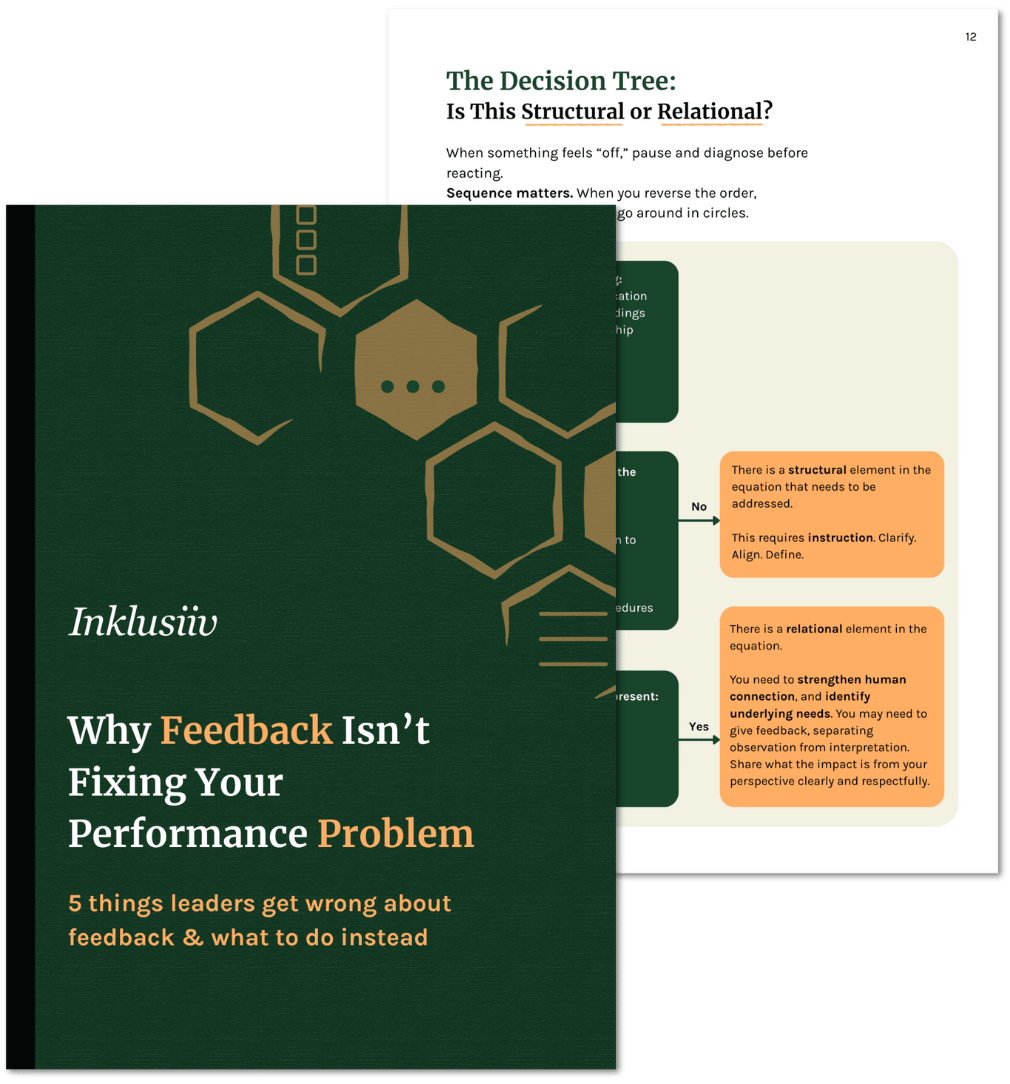
Why Feedback Isn’t Fixing Your Performance Problem

5 things leaders get wrong about feedback & what to do instead

Available in English.

Feedback-1

Why Feedback Isn’t Fixing Your Performance Problem

5 things leaders get wrong about feedback & what to do instead

Available in English.